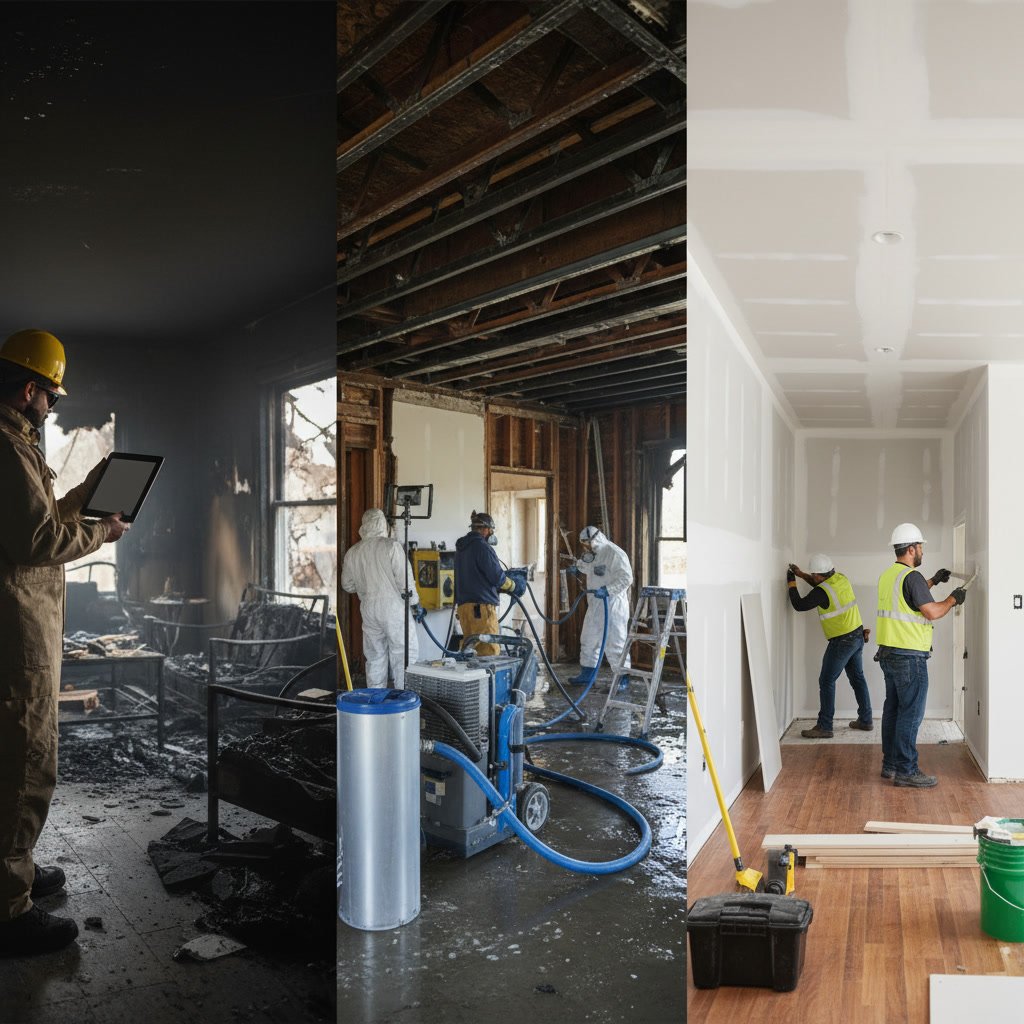
Professional mold remediation follows a strict protocol from initial inspection through final clearance testing. The mold remediation process typically takes three to seven days depending on the extent of contamination, and involves containment, removal, treatment, and verification stages. Understanding each phase helps property owners know what to expect and ensures the work meets industry standards for safe, lasting results.
Why Mold Requires Specialized Removal
Mold spreads through microscopic spores that become airborne when disturbed. Simple cleaning pushes these spores into the air and throughout your home, making the problem worse. Professional remediation uses containment barriers, negative air pressure, and HEPA filtration to capture spores before they spread to unaffected areas.
The desert climate in areas like Palm Desert creates unique challenges. While low humidity generally discourages mold, plumbing leaks, HVAC condensation, and irrigation issues create hidden moisture pockets where colonies thrive undetected until they’ve grown substantially.
The Initial Inspection and Assessment
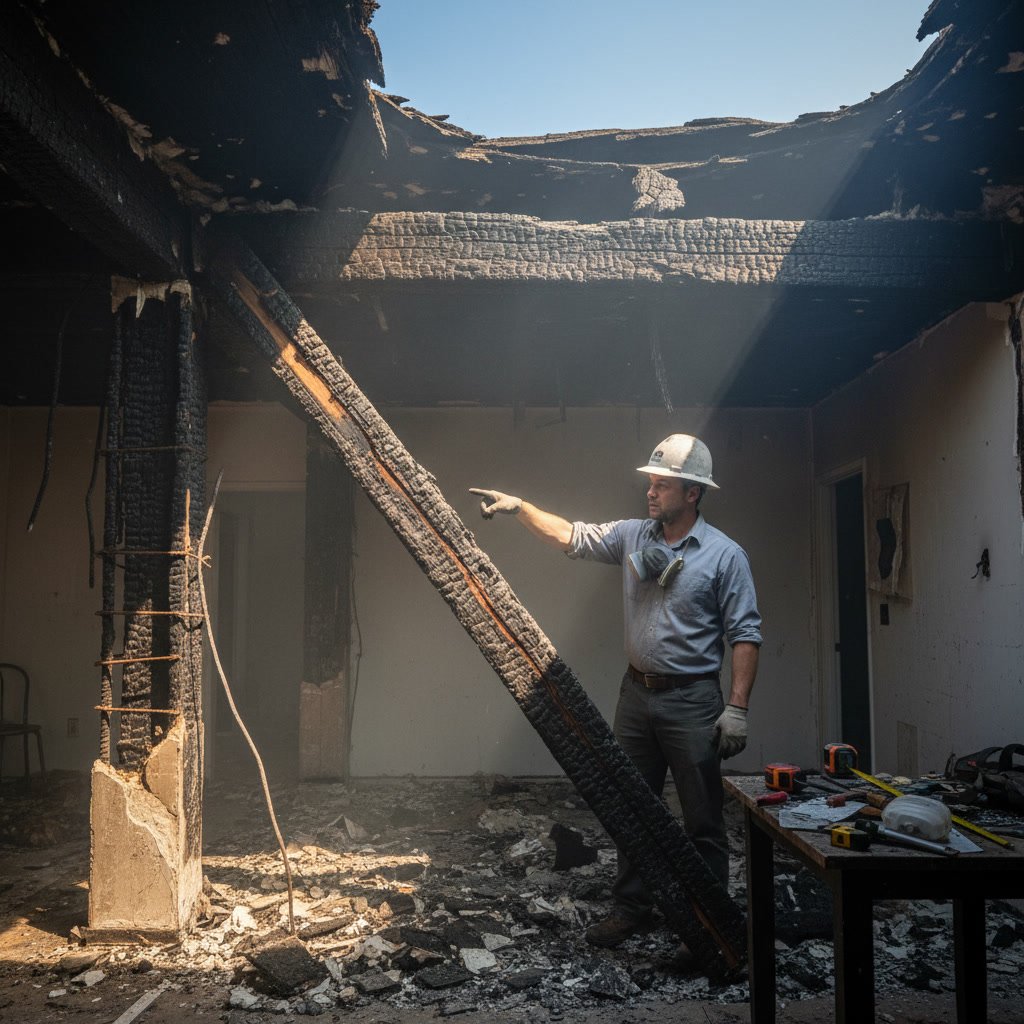
A certified inspector walks through your property looking for visible growth and moisture signs. They use thermal imaging cameras to detect temperature differences behind walls that indicate hidden water intrusion. Moisture meters measure exact humidity levels in building materials.
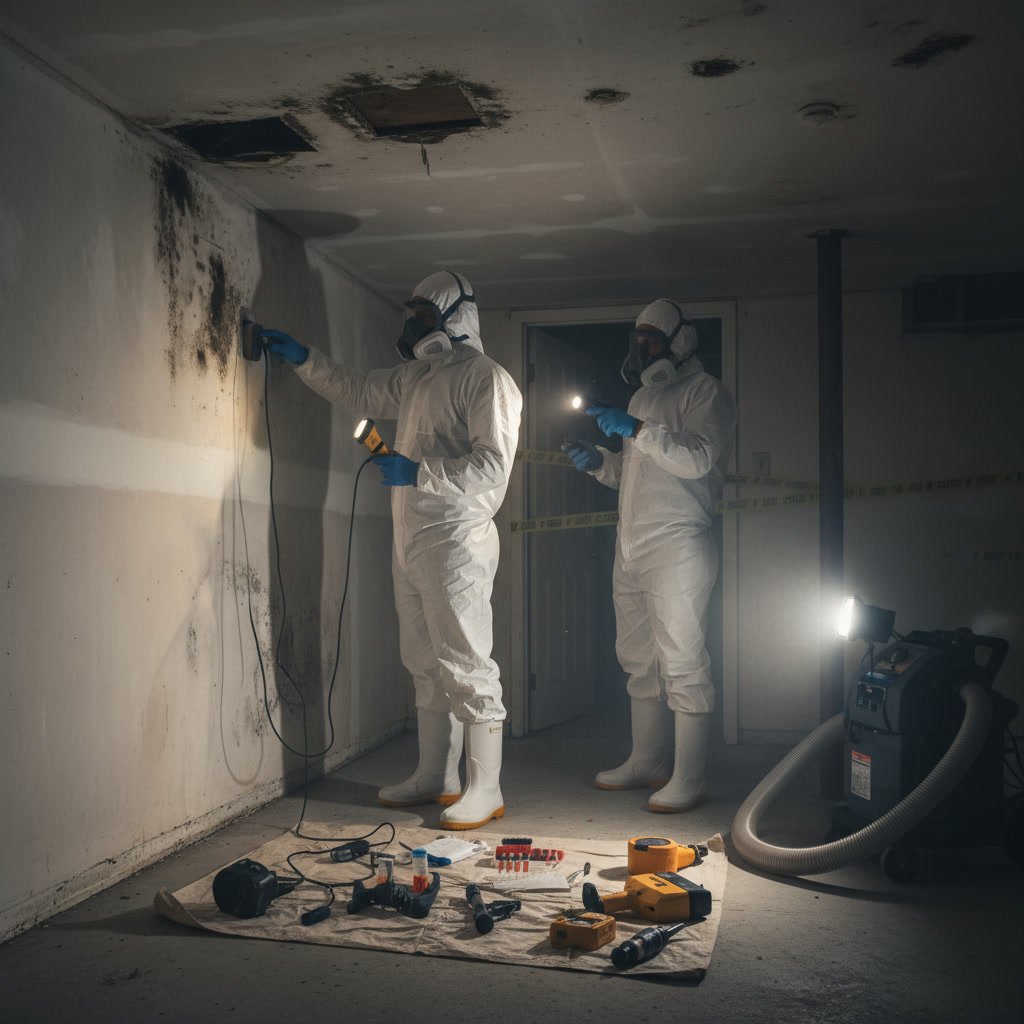
The inspector collects air and surface samples for laboratory analysis. Lab results identify specific mold species and spore concentrations, which determine the remediation protocol. Some species require more aggressive treatment than others. The inspector documents everything with photos and measurements, creating a detailed scope of work.
This assessment phase typically costs between $300 and $800 as a standalone service, though many restoration companies include it when you hire them for the full remediation. If you recently dealt with water intrusion, you might recognize some warning signs discussed in our guide on responding to water damage.
Containment Setup and Air Filtration
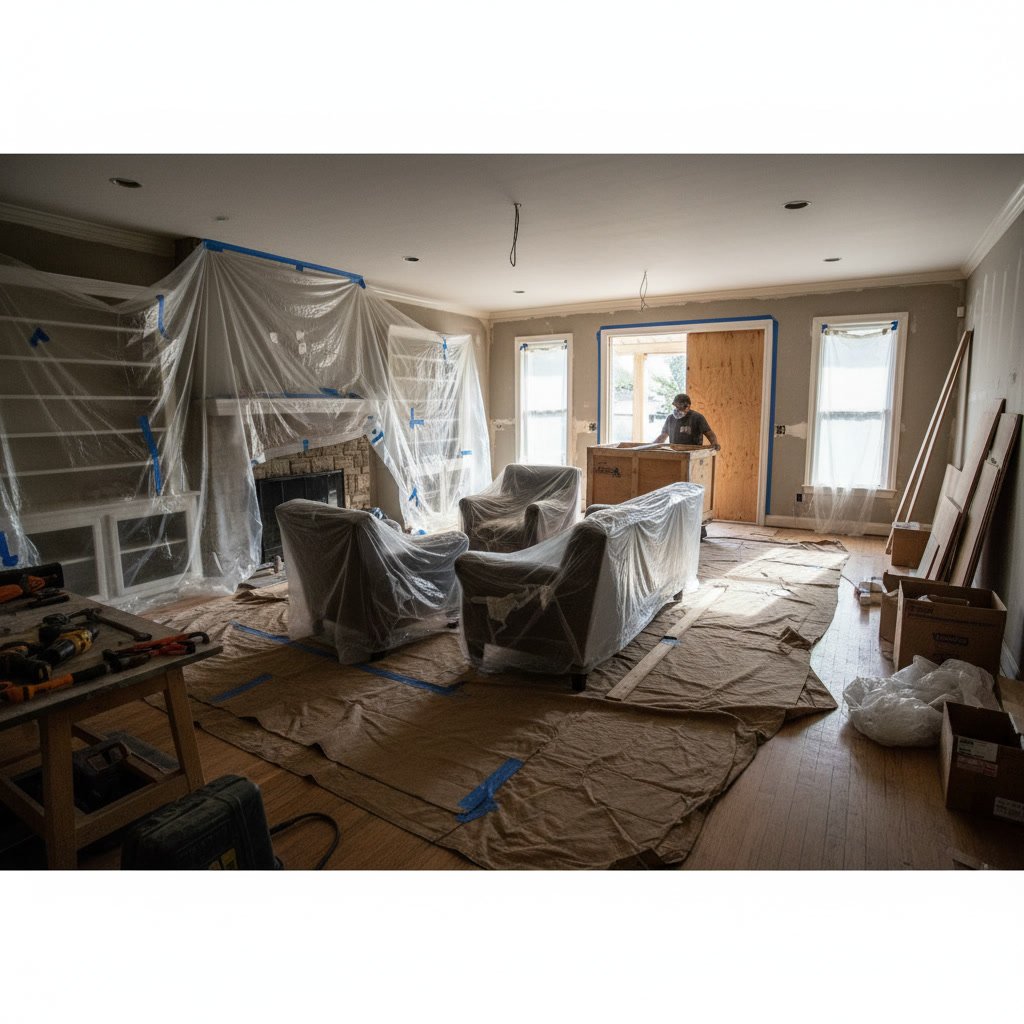
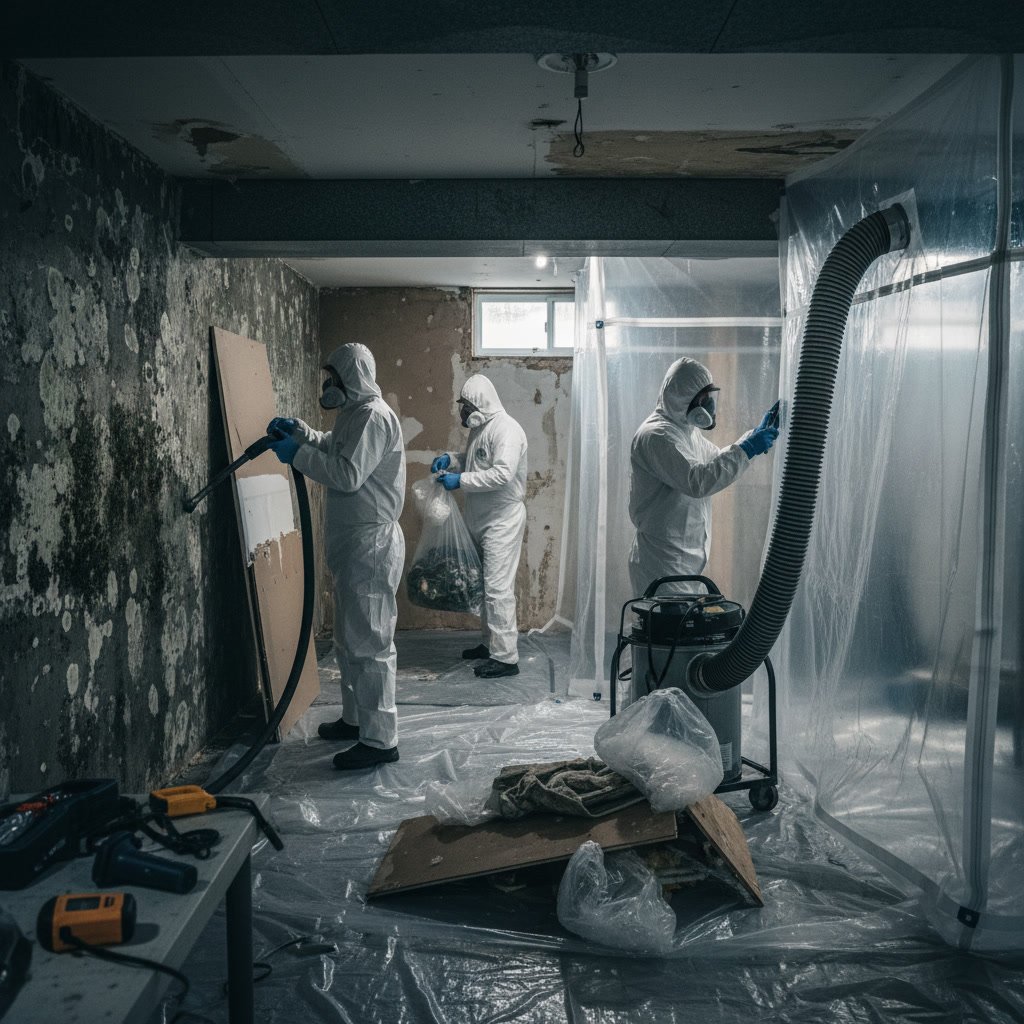
Before any removal begins, technicians seal off the work area with heavy plastic sheeting from floor to ceiling. They create an airlock entry system using two layers of plastic with space between, preventing spores from escaping when workers move in and out.
Negative air machines equipped with HEPA filters run continuously throughout the project. These units pull air from the contained area, filter out 99.97% of particles 0.3 microns or larger, and exhaust clean air outside or into unaffected areas. This creates lower air pressure inside the work zone, so any air movement flows inward rather than pushing contaminated air out.
Technicians shut down HVAC systems serving the affected area and seal vents with plastic and tape. Running forced air during remediation distributes spores throughout your ductwork and entire home.
Personal Protection and Safety Protocols
Workers wear full protective suits, gloves, goggles, and respirators rated for mold spores. You should never see remediation crews working in regular clothes or simple dust masks. That signals inadequate training or corner-cutting that puts both workers and occupants at risk.
Professional crews place walk-off mats at containment exits. Workers step on sticky mats that capture particles from shoe covers before they leave the work zone. All materials and equipment leaving containment get wiped down or bagged.
Removal of Contaminated Materials
Porous materials that absorbed mold growth must be removed and discarded. This includes drywall, insulation, carpeting, ceiling tiles, and sometimes wood framing if penetration runs deep. Non-porous surfaces like metal, glass, and hard plastics can usually be cleaned and saved.
Technicians mist materials with water before removal to minimize airborne spores during demolition. They bag all contaminated materials in heavy-duty plastic inside the containment area before carrying them out. Some projects require complete structural removal if contamination spread throughout wall cavities.
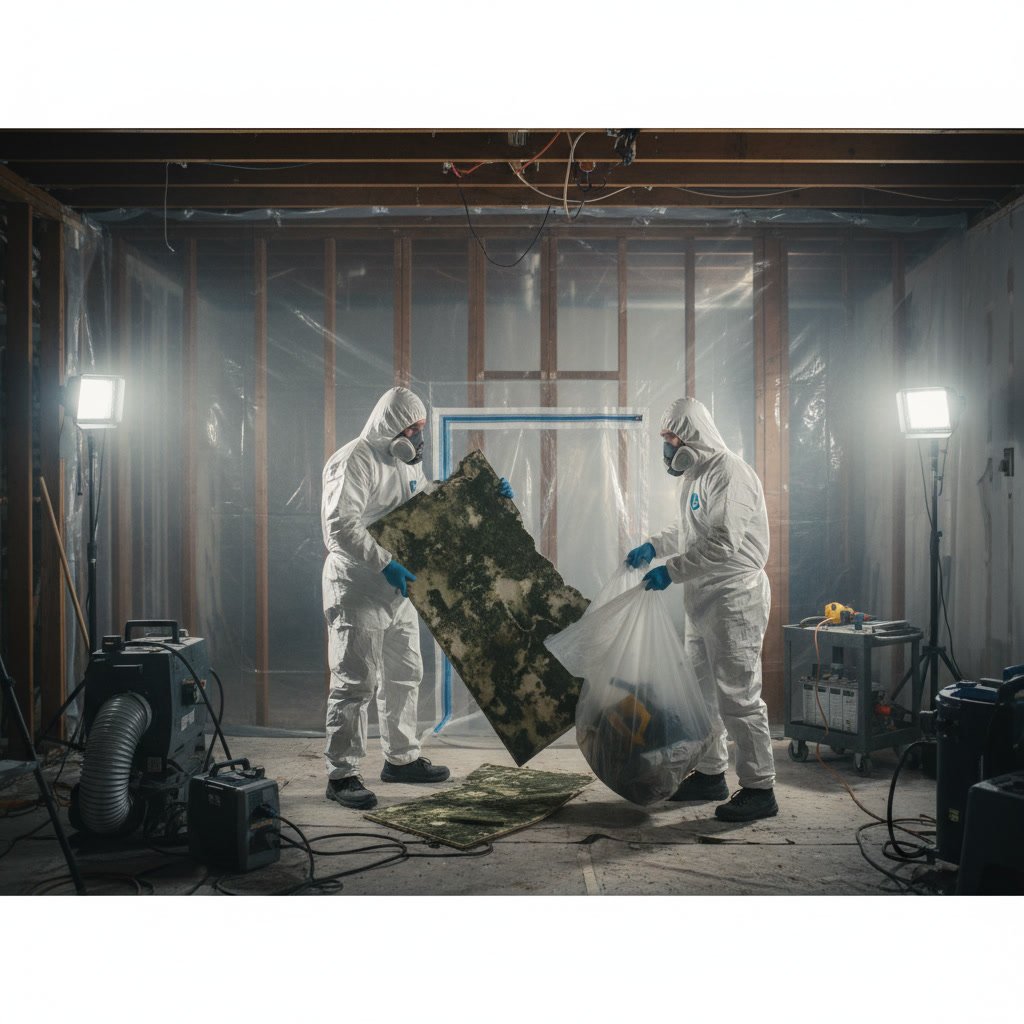
The extent of removal depends on how deeply mold penetrated. Surface growth on painted drywall may only require removing the outer paper layer and treating the gypsum core. Growth that spread through the entire wall thickness requires full replacement.
Cleaning and Treatment of Remaining Surfaces
After removing contaminated materials, crews clean all remaining surfaces with HEPA vacuums and antimicrobial solutions. They scrub studs, joists, concrete, and any structural elements that will remain. Wire brushing removes growth from wood grain.
Technicians apply EPA-registered antimicrobial and antifungal treatments to all surfaces in the affected area. These products kill remaining spores and create a coating that resists future growth. Application methods include spraying, fogging, and direct brushing depending on the surface and product.
Some situations call for soda blasting or dry ice blasting to clean wood framing without excessive moisture. These methods strip contamination from porous wood while the abrasive material evaporates, leaving surfaces dry and ready for encapsulation.
Moisture Source Repair and Prevention
Remediation fails unless you fix the water problem that caused the growth. Technicians identify and document moisture sources, but plumbers or roofers typically perform the actual repairs. Common culprits include leaking pipes, roof penetrations, poor grading that directs water toward foundations, and HVAC condensation issues.
Your contractor should verify repairs resolved the moisture problem before closing walls. Using moisture meters after repairs confirms materials dried to acceptable levels, typically below 15% moisture content for wood framing. Closing wet materials inside walls guarantees mold returns.
This phase often overlaps with our emergency restoration services, since water damage and mold frequently occur together and require coordinated response.
Drying and Dehumidification
Industrial dehumidifiers and air movers run for 48 to 72 hours after cleaning to remove all residual moisture. Technicians monitor humidity levels and material moisture content daily, adjusting equipment as readings drop.
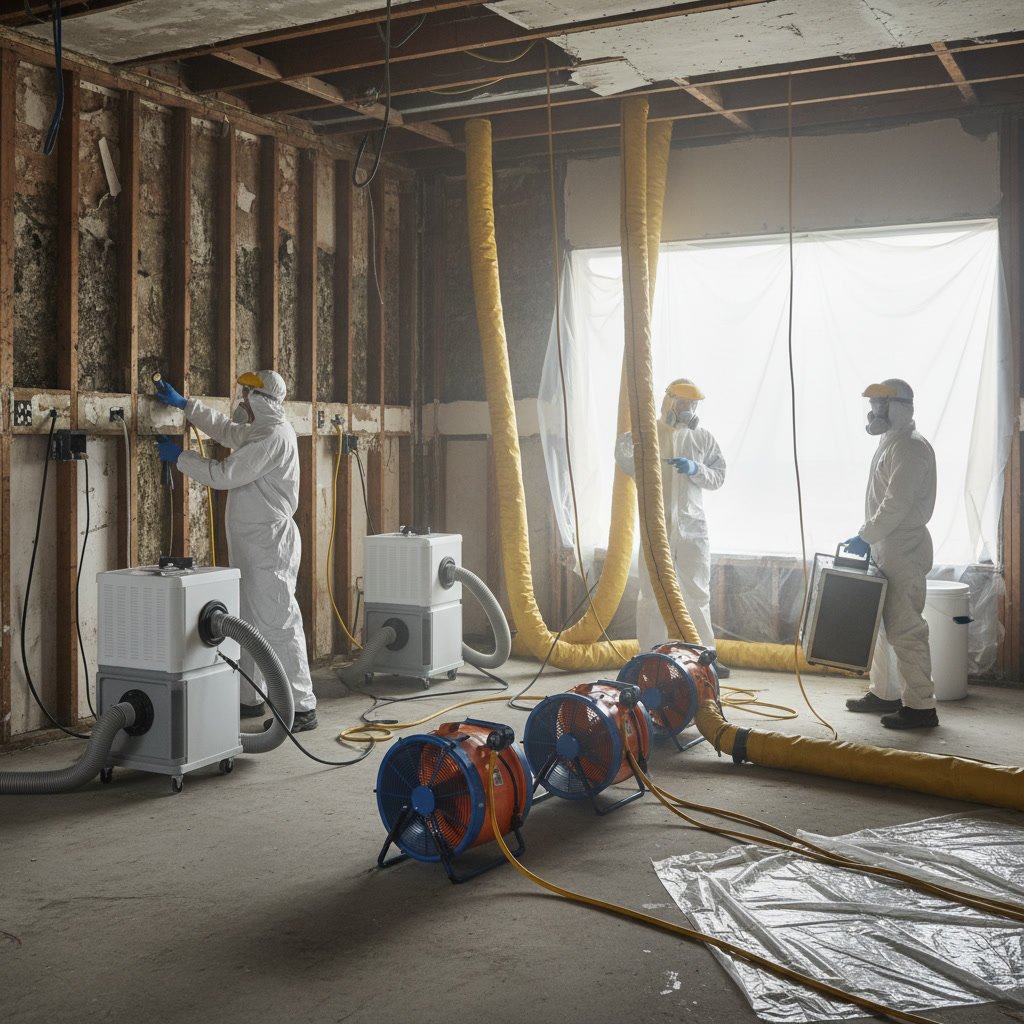
Proper drying prevents immediate regrowth and ensures new building materials won’t develop problems. Rushing this phase to save time costs more later when mold returns behind fresh drywall.
Post-Remediation Verification and Testing
An independent inspector, not affiliated with the remediation company, performs clearance testing. This third-party verification protects you by confirming work met industry standards without conflict of interest.
The inspector takes new air samples from the remediated area and compares spore counts to outdoor air and unaffected indoor areas. Successful remediation shows spore levels equal to or lower than outdoor baseline readings. Visual inspection confirms no visible growth remains and all affected materials were properly removed.
Clearance testing costs $300 to $500 but provides essential documentation. Without it, you have no proof remediation actually worked. This documentation matters for insurance claims, real estate transactions, and your family’s health confidence.
Reconstruction and Restoration in Palm Desert
After clearance approval, reconstruction rebuilds what remediation removed. New insulation fills wall cavities, fresh drywall goes up, and surfaces receive primer and paint. Flooring installation completes the restoration.
Working with a contractor who handles both remediation and reconstruction streamlines the project. You deal with one company, one timeline, and one point of accountability from start to finish. Kellner construction LLC manages the entire process, eliminating coordination headaches between separate remediation and remodeling crews.
Some homeowners use remediation as an opportunity to upgrade finishes or improve layouts, similar to bathroom renovation projects that transform spaces beyond simple restoration.
Why Professional Protocol Matters for Your Property
Following proper remediation protocol protects your investment and health. Shortcuts like skipping containment, inadequate material removal, or omitting clearance testing leave spores behind that regrow within weeks. You pay twice: once for failed remediation and again for proper work.
Insurance companies increasingly require documentation of proper protocol before approving claims. Clearance test results, before and after photos, and detailed scope reports prove legitimate work occurred. DIY attempts or unlicensed contractors rarely produce documentation that satisfies insurers or future home buyers.
The protocol described above follows IICRC S520 standards, the industry benchmark for mold remediation. Reputable contractors carry certifications in these standards and maintain insurance specifically covering mold remediation work, which standard general liability policies exclude.
Protecting Your Home Through Professional Expertise
Professional mold remediation protects both property value and occupant health through systematic containment, removal, treatment, and verification. Each phase serves a specific purpose in ensuring spores don’t spread and contamination doesn’t return. Proper protocol takes longer and costs more than shortcuts, but delivers results that last.
With over 40 years of construction and restoration experience, Kellner construction LLC understands how desert homes respond to water intrusion and the specific challenges California properties face. Our licensed team manages the complete remediation process from initial assessment through final reconstruction, ensuring your home returns to safe, healthy condition. If you discover mold growth or suspect hidden contamination, contact us at +17607745333 for a professional assessment and detailed remediation plan.