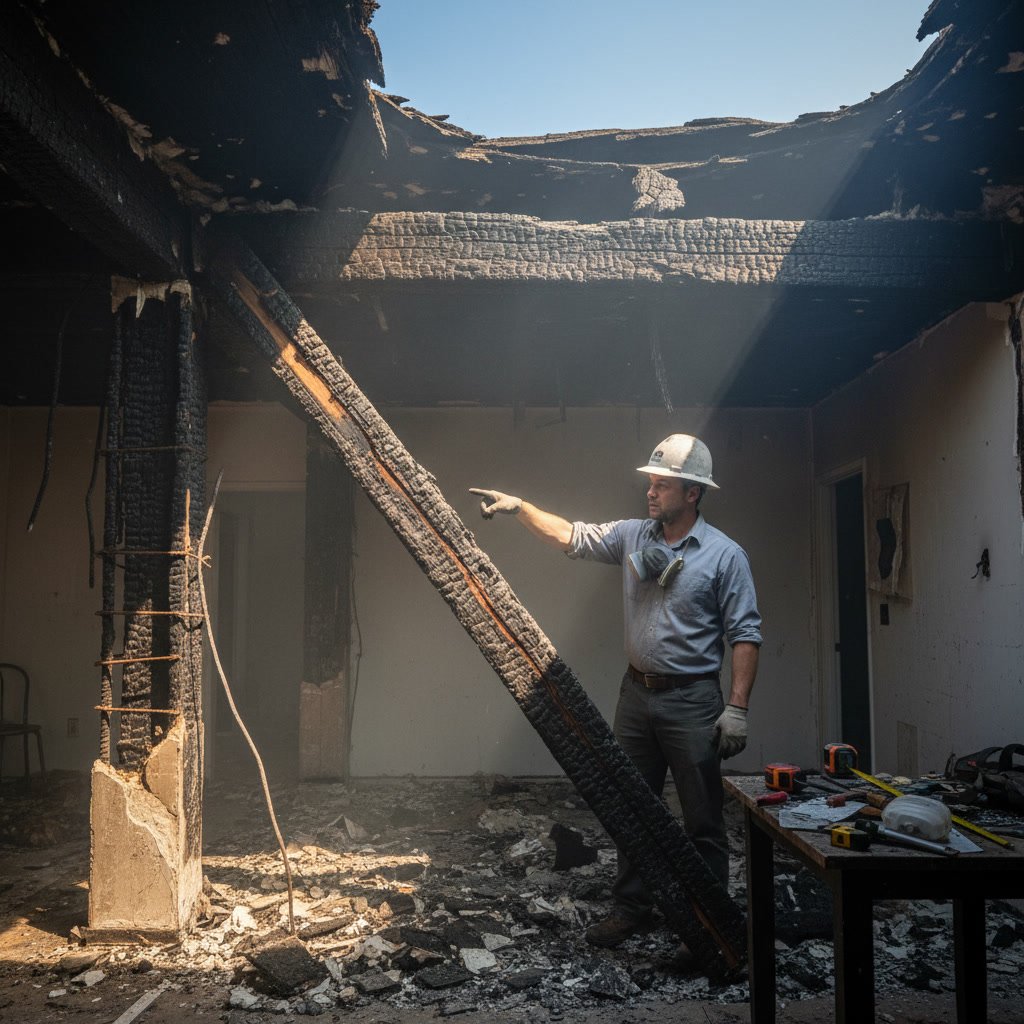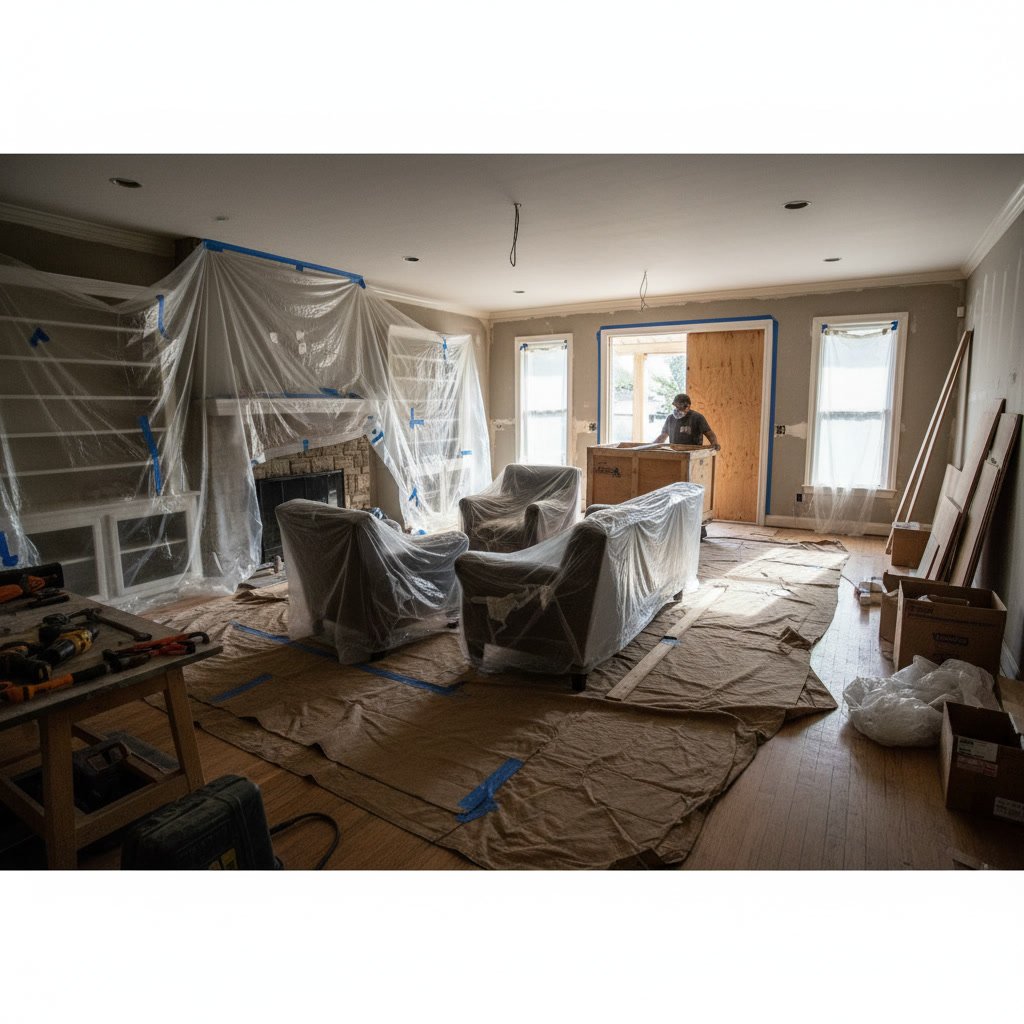
A complete gut out remodel strips your home down to its structural bones, removing everything from walls and ceilings to flooring and fixtures. To prepare for gut remodel work properly, you need to address permits, protect or remove belongings, arrange temporary housing, coordinate utility shutoffs, and establish clear communication channels with your contractor. Proper preparation prevents delays, protects your valuables, and keeps your project on schedule and within budget.
The difference between a smooth renovation and a chaotic one often comes down to what happens before the first wall comes down. Taking time to plan logistics, document existing conditions, and prepare your property sets the foundation for a successful transformation.
Understanding the Scope of a Full Home Renovation
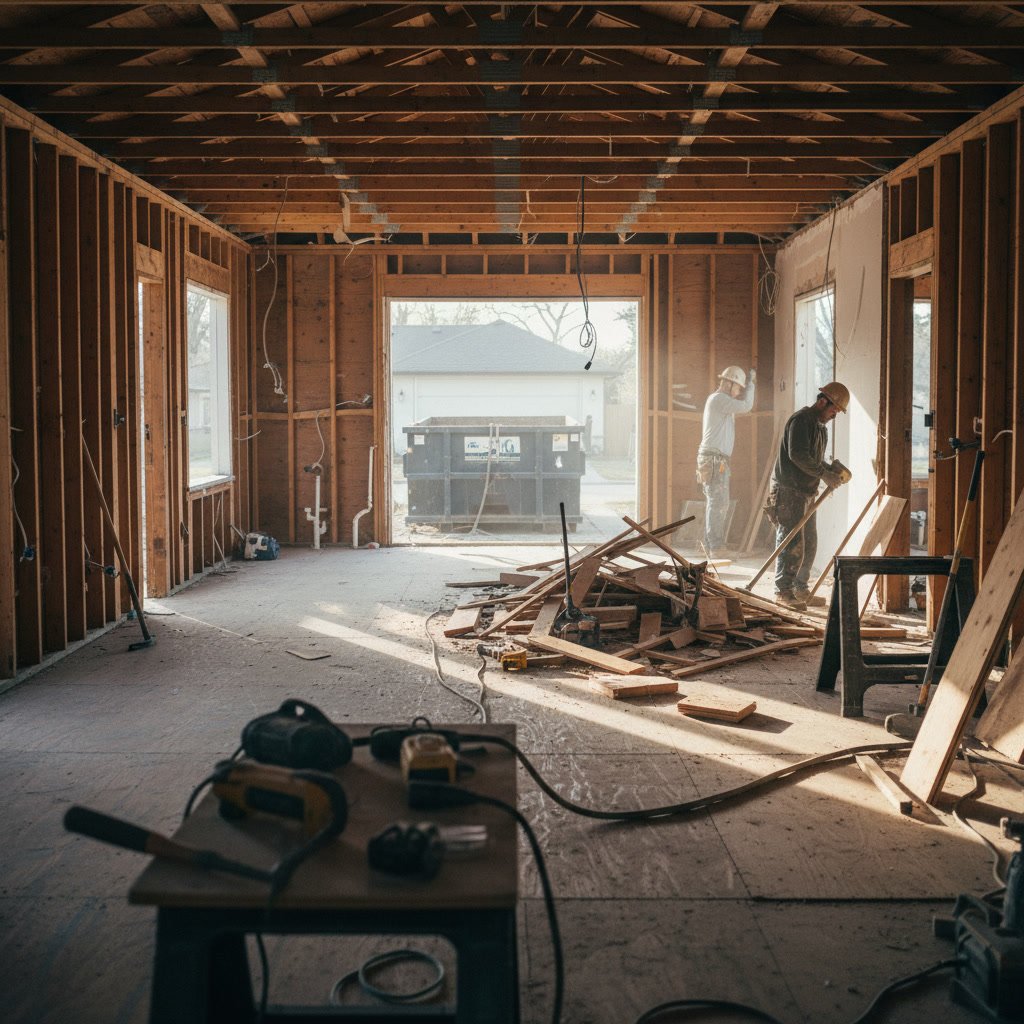
A complete gut out means removing all interior finishes, fixtures, and systems down to the structural framing. Unlike a kitchen remodel or bathroom remodel that touches one or two rooms, this work affects every square foot of living space. You are essentially creating a blank canvas that allows for complete redesign of layout, systems, and finishes.
Most gut renovations take between three and six months depending on home size and complexity. During this time, the property will be uninhabitable. Dust, noise, and the absence of functioning utilities make staying in place impossible. The scope typically includes removing drywall, old plumbing and electrical, outdated insulation, and any damaged structural elements discovered during demolition.
Securing Permits and Planning in Palm Desert
Every gut renovation in Palm Desert requires building permits. Your contractor submits detailed plans to the city showing structural changes, electrical updates, plumbing relocations, and HVAC modifications. The permit process typically takes two to four weeks, and work cannot legally begin until permits are issued and posted on site.
Desert climate considerations affect material choices and construction methods. Understanding how extreme heat and low humidity impact building materials helps you make informed decisions about insulation, HVAC sizing, and exterior finishes. Working with a licensed contractor familiar with local building codes prevents costly mistakes and ensures your project meets all requirements.
Budget an extra 10 to 15 percent beyond your construction estimate for permit fees, plan revisions, and unforeseen conditions revealed during demolition. Older homes often hide outdated wiring, plumbing issues, or structural damage that only becomes visible once walls are opened.
Documenting Your Home Before Demolition Begins
Take detailed photos and videos of every room from multiple angles before any work starts. Capture close-ups of existing finishes, fixtures, and any areas with known issues. This documentation serves three purposes: it helps your contractor understand existing conditions, provides a reference if insurance questions arise, and creates a before-and-after record of your transformation.
Measure and record the dimensions of rooms, doorways, and ceiling heights. Note the locations of electrical outlets, light switches, plumbing fixtures, and HVAC vents. If you plan to reuse any materials like vintage light fixtures or hardware, label and photograph them so they can be properly reinstalled.
Walk through with your contractor and mark any items you want preserved or salvaged. Clearly identify architectural elements worth saving, such as original moldings, doors, or built-in cabinetry. These pieces can be removed carefully before demolition and stored for reinstallation.
Removing and Protecting Your Belongings
Everything must leave the house. Rent a climate-controlled storage unit large enough to hold furniture, clothing, kitchenware, and personal items. Start packing at least three weeks before demolition to avoid last-minute chaos. Label boxes by room and contents to make unpacking easier when the renovation completes.
Remove wall art, mirrors, and shelving throughout the house. Even items in rooms not directly affected by construction will be exposed to dust and vibration. Pack fragile items with proper cushioning and store them away from heavy boxes that might shift.
Disconnect and remove all appliances unless your contractor specifically plans to protect them in place. Refrigerators, washers, dryers, and kitchen appliances should go into storage or be sold if you are replacing them. Drain water heaters and disconnect gas lines only with professional help to prevent leaks or safety hazards.
Arranging Temporary Housing and Mail Forwarding
Plan where you will live for the duration of construction. Options include renting a furnished apartment, staying with family, or booking an extended-stay hotel. Factor housing costs into your overall renovation budget, as three to six months of alternative accommodations adds significant expense.
Forward your mail to your temporary address through the postal service. Update your address with banks, credit card companies, insurance providers, and any subscription services. Notify utility companies of your situation so bills continue to arrive and services remain connected as needed for construction.

Set up a dedicated communication system with your contractor. Establish regular check-in times, preferred contact methods, and a system for approving decisions that arise during construction. Many contractors use project management apps that allow you to track progress through photos and updates.
Coordinating Utility Shutoffs and Connections
Your contractor will coordinate most utility work, but you need to contact providers to close or suspend accounts. Electricity typically stays on throughout construction to power tools and temporary lighting. Water may be shut off for extended periods during plumbing replacement, then reconnected for testing.
Gas service requires professional disconnection and reconnection. Never attempt to shut off or turn on gas lines yourself. The utility company or a licensed plumber must handle all gas work to prevent dangerous leaks. Schedule these appointments well in advance, as utility companies often require several days notice.
Internet, cable, and phone services can be suspended during construction and reinstalled after completion. Notify providers of your timeline so you avoid paying for services you cannot use. Some companies charge reconnection fees, so factor these costs into your budget.
Steps to Protect Your Property During Construction
- Install temporary fencing or barriers around your property to prevent unauthorized access and protect children and pets from construction hazards.
- Cover landscaping near the house with plywood or tarps to prevent damage from falling debris, foot traffic, and material deliveries.
- Designate a staging area for materials and dumpsters that minimizes impact on driveways, lawns, and neighboring properties.
- Disconnect or cap sprinkler systems in work zones to prevent accidental flooding during excavation or grading.
- Remove outdoor furniture, planters, and decorative items from areas where workers will need access or where debris might fall.
- Trim back trees and shrubs that overhang the work area to prevent damage to branches and improve access for workers and equipment.
Notify your neighbors about the upcoming project. Provide them with a timeline, explain the scope of work, and share your contractor’s contact information. Advance notice helps maintain good relationships and gives neighbors a chance to plan around noise and activity.
Setting Realistic Expectations About Timeline and Budget
Gut renovations rarely finish early or under budget. Plan for the project to take at least as long as your contractor estimates, and budget an extra 15 to 20 percent for unexpected conditions. Hidden damage, code updates required during inspection, and material delays all extend timelines and add costs.
Weather can impact schedules, even in the desert. Extreme heat may limit working hours during summer months, while rare rain events can delay exterior work or foundation repairs. Supply chain disruptions continue to affect material availability, so discuss lead times for custom items like windows, doors, and cabinets early in planning.
Build decision-making time into your schedule. You will need to select finishes, approve change orders, and make design choices throughout the project. Delayed decisions delay construction, so review selections with your contractor weeks before they are needed on site.
Managing Neighborhood Relations During Major Construction
Construction noise, dust, and traffic affect everyone nearby. Talk to adjacent neighbors before work begins. Explain the project scope, expected duration, and typical working hours. Provide contact information for both you and your contractor so concerns can be addressed quickly.
Make sure your contractor schedules the noisiest work, like demolition and concrete cutting, during reasonable daytime hours. Most cities have noise ordinances that restrict construction hours, typically limiting work to weekdays between 7 a.m. and 6 p.m. Respect these rules to avoid complaints and potential fines.
Keep driveways and streets clear. Contractors should park work vehicles and position dumpsters to minimize impact on neighbor access. If street parking becomes limited, communicate with neighbors about the temporary inconvenience and its expected duration.
Preparing for Inspections Throughout the Process
Building inspectors will visit your property multiple times during a gut renovation. Typical inspection points include foundation and framing, rough plumbing and electrical, insulation, and final inspections before occupancy. Each inspection must pass before the next phase of work can proceed.
Failed inspections cause delays and added costs. Work with a contractor who understands local code requirements and builds to pass inspection the first time. If an inspection does fail, the inspector will provide a list of corrections needed before scheduling a re-inspection.
Keep your permit visible and accessible on site at all times. Inspectors need to verify that work matches approved plans. Make sure your contractor maintains clear access to all areas under inspection and schedules inspections at appropriate points in the construction sequence.
Why Experience Matters When Planning Your Renovation
A contractor with decades of experience anticipates problems before they occur. Jeff Kellner has guided hundreds of homeowners through complete renovations since 2004, developing systems that minimize surprises and keep projects moving forward. This experience proves invaluable when hidden conditions appear or unexpected challenges arise during demolition.
Experienced contractors maintain relationships with reliable subcontractors, suppliers, and inspectors. These connections ensure quality work, faster material delivery, and smoother inspection processes. A well-established contractor can also provide accurate cost estimates based on years of completed projects similar to yours.
Review your contractor’s gallery of completed gut renovations. Look for projects similar in scope and style to what you envision. Ask for references from recent clients and contact them to learn about their experience, timeline accuracy, and overall satisfaction.
Getting Your Home Ready for Transformation
Proper preparation turns a daunting gut renovation into a manageable process. By securing permits early, removing all belongings, arranging temporary housing, and establishing clear communication with your contractor, you create the conditions for a successful project. Documentation protects your interests, realistic budgeting prevents financial stress, and neighborly communication maintains community goodwill.
The investment you make in thorough preparation pays dividends throughout construction. Projects start on time, decisions get made efficiently, and your contractor can focus on quality work rather than solving logistical problems that should have been addressed before demolition began.
Kellner construction LLC has helped homeowners throughout the Coachella Valley navigate complex renovation projects for more than 40 years. If you are planning a complete renovation and want experienced guidance from initial planning through final walkthrough, reach out to discuss your project at +17607745333.