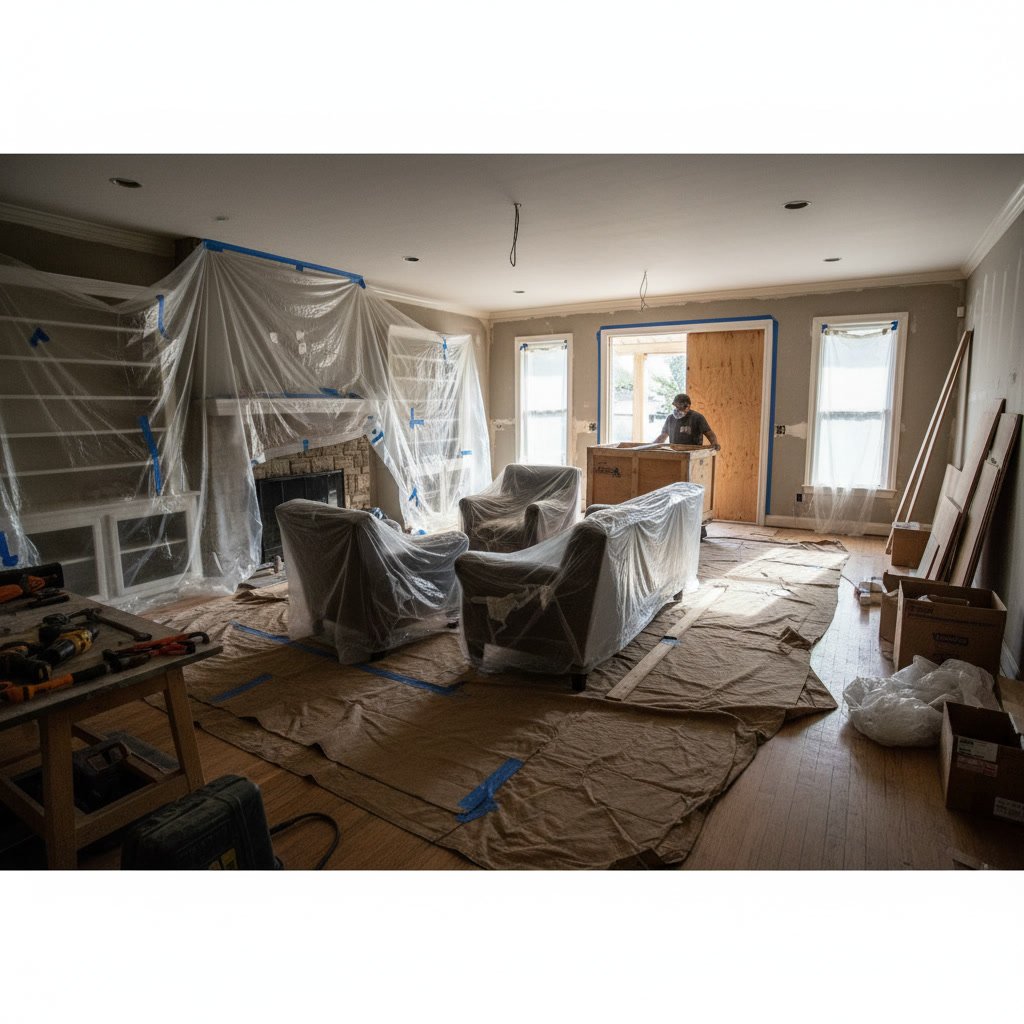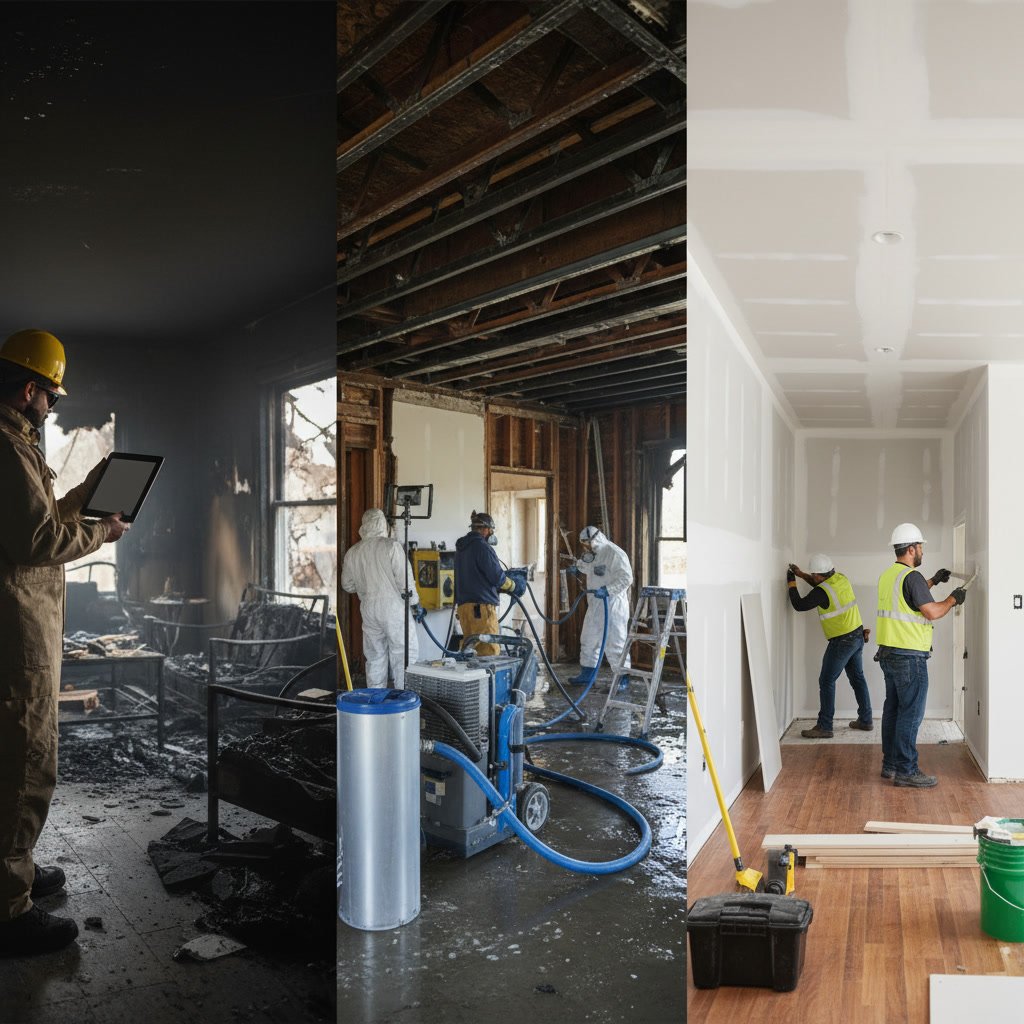
A professional fire damage restoration process follows a systematic approach that begins the moment you contact a licensed contractor and continues through final inspection and occupancy clearance. The timeline typically spans four to twelve weeks depending on damage severity, with emergency stabilization happening within 24 hours and full reconstruction requiring coordination between insurance adjusters, engineers, and specialty trades. Each stage builds on the previous one to ensure your property is not only visually restored but structurally sound and safe for occupancy.
Understanding the Scope of Fire Damage Beyond What You Can See
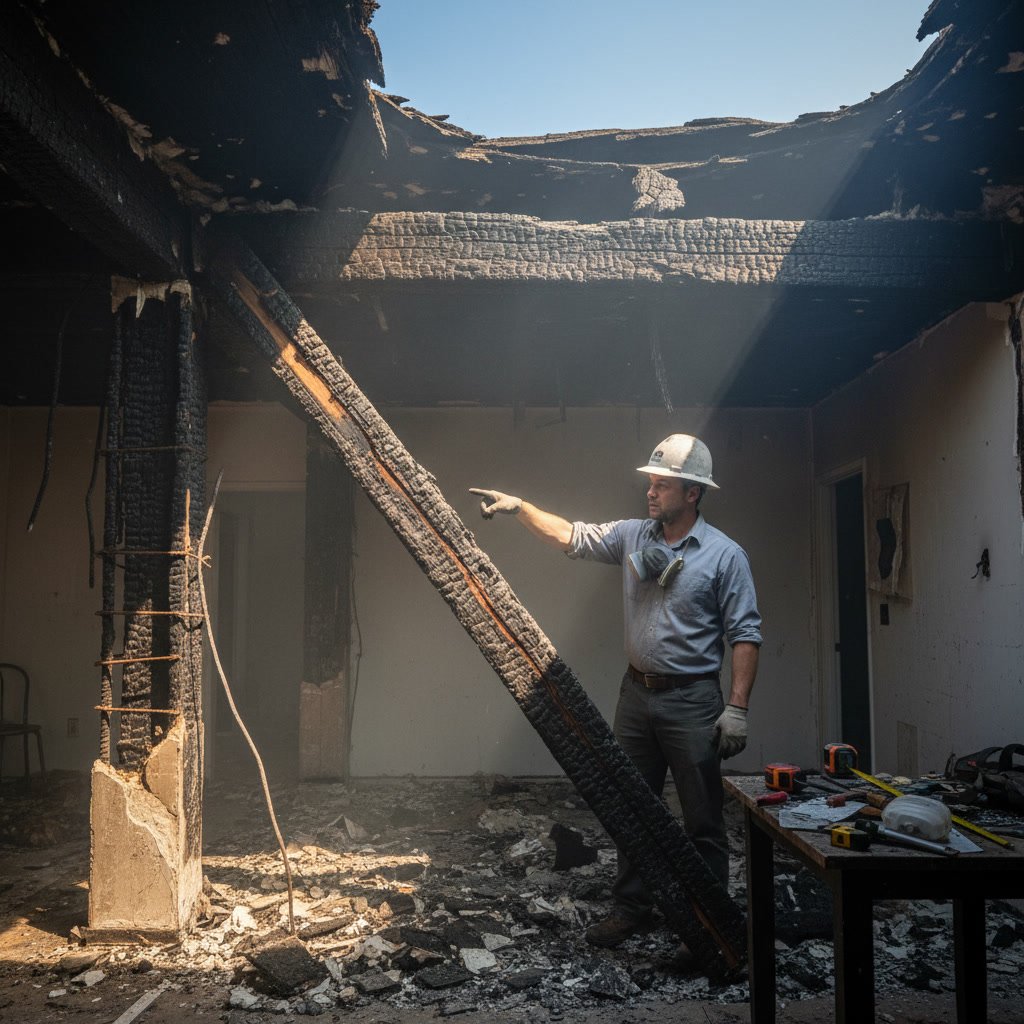
Fire damage extends far beyond charred walls and visible burn marks. Smoke particles penetrate drywall, insulation, and HVAC systems, creating lingering odors and potential health hazards that persist long after flames are extinguished. Heat can compromise structural members without leaving obvious signs, weakening joists and beams that appear intact on the surface.
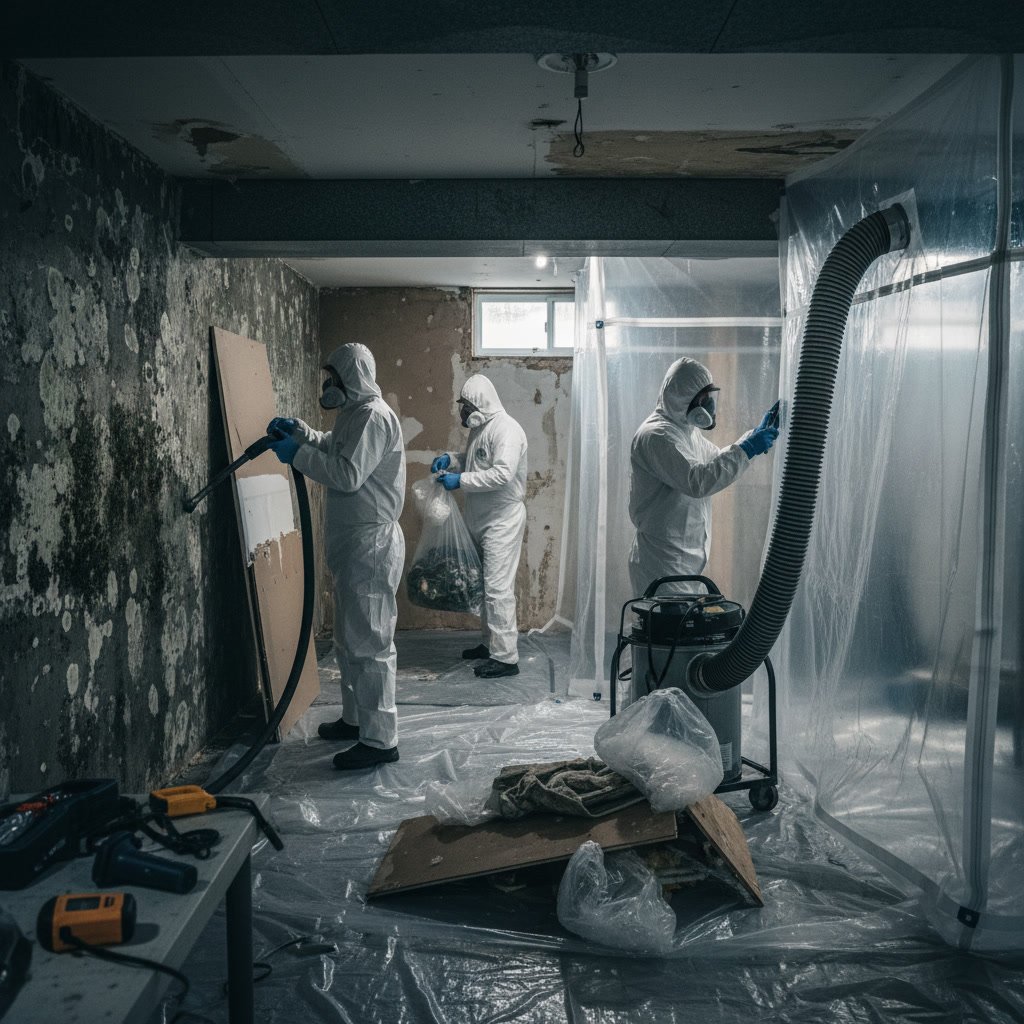
Water damage from firefighting efforts often causes more extensive harm than the fire itself. Saturated insulation loses its R-value permanently and must be replaced. Drywall that has been soaked begins to deteriorate within 48 hours, creating conditions favorable for mold growth. Understanding this hidden damage explains why professional assessment is essential before any restoration work begins.
Why Speed Matters in Fire Restoration Response
The first 24 to 48 hours after a fire determine whether secondary damage will compound your losses. Soot becomes increasingly acidic as time passes, etching glass, corroding metal fixtures, and permanently staining porous surfaces. Smoke residue that sits for days becomes exponentially harder to remove and may require complete material replacement instead of cleaning.
Water from fire suppression efforts creates its own urgent timeline. Mold spores begin colonizing within 24 to 48 hours in wet conditions. Wood flooring can cup and warp within hours if not properly dried. Quick response limits these cascading problems and often reduces overall restoration costs by 30 to 40 percent compared to delayed intervention.
Initial Emergency Contact and Property Stabilization in Palm Desert
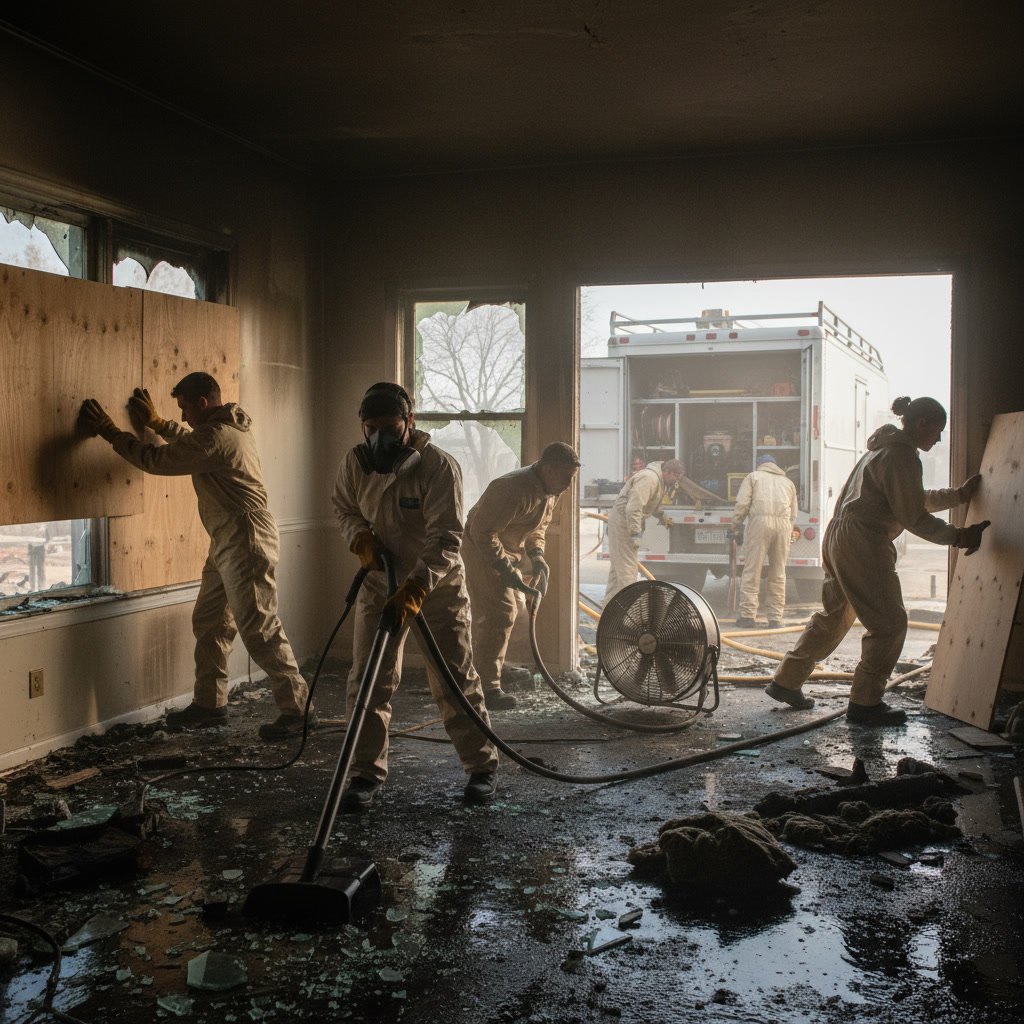
Emergency stabilization begins with securing the property against weather, vandalism, and further deterioration. Board-up services protect window and door openings. Temporary roof tarping prevents rain damage to already compromised structures. These immediate measures happen within hours of your call, often before a detailed assessment begins.
Power and gas lines require evaluation by utility companies before restoration crews enter. Standing water is extracted using commercial pumps and wet vacuums. Dehumidification equipment starts immediately to prevent mold establishment. This stabilization phase typically takes one to three days and makes the property safe for comprehensive inspection.
Comprehensive Damage Assessment and Documentation
A thorough damage assessment involves room-by-room documentation using photographs, video, and written inventory. Professionals measure moisture levels in walls, floors, and ceilings using specialized meters. Structural engineers may be called to evaluate load-bearing members if fire exposure was significant.
This assessment separates salvageable materials from those requiring replacement. Items are categorized into unaffected, cleanable, and total loss groups. Documentation serves multiple purposes: it guides the restoration plan, supports insurance claims, and creates a baseline for final inspection. Expect this phase to take two to five days for a typical residential property.
Understanding structural versus cosmetic damage becomes critical at this stage, as it determines whether you face minor repairs or extensive rebuilding. Professional evaluation prevents unsafe shortcuts that could compromise your home’s integrity.
Debris Removal and Initial Cleaning Operations
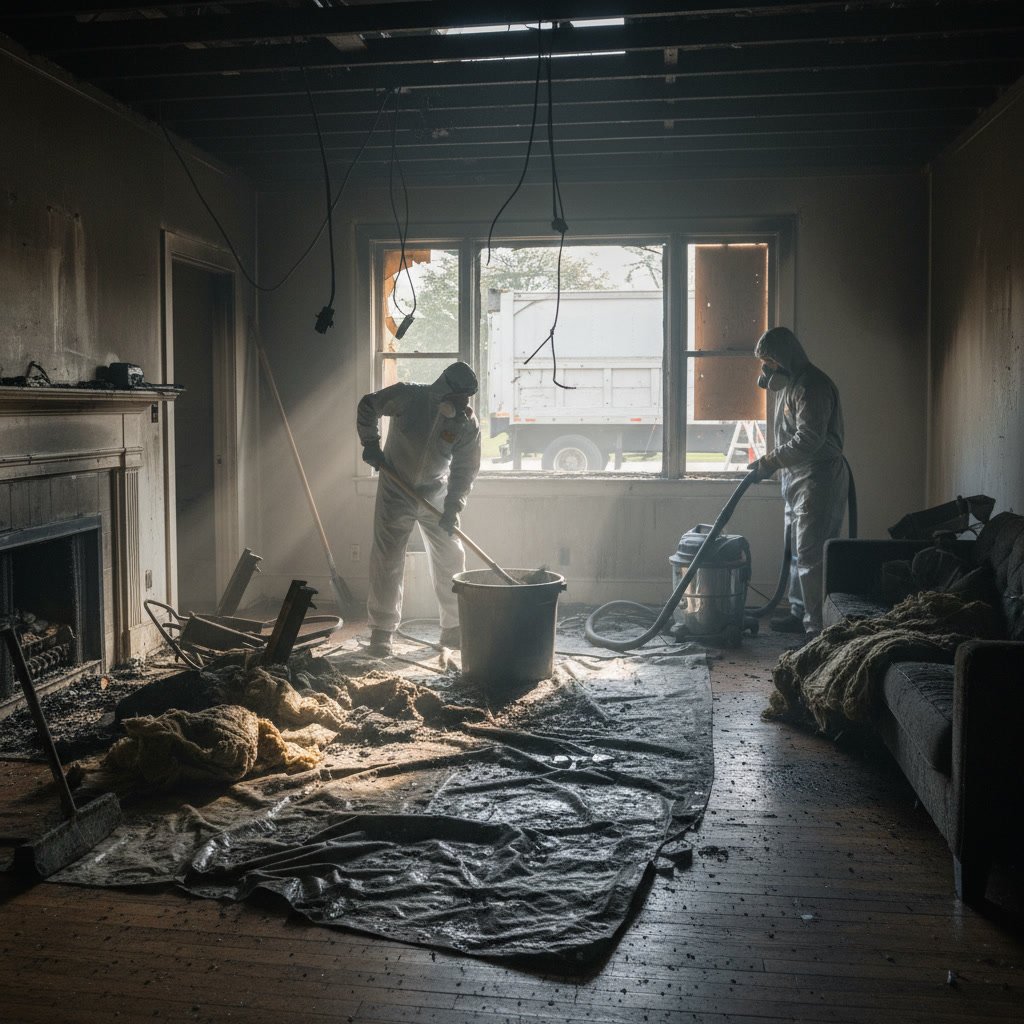
Debris removal follows a systematic pattern, starting with obviously destroyed materials and progressing to items requiring closer evaluation. Charred framing, melted fixtures, and saturated insulation are removed and properly disposed of according to local regulations. In the Coachella Valley, disposal must account for heat-damaged materials that may contain asbestos or other hazardous substances in older homes.
Initial cleaning removes loose soot and ash using HEPA-filtered vacuums that prevent particle redistribution. Surfaces are dry-cleaned before any wet methods are applied, since water can set certain types of soot and create permanent stains. This phase reveals the true extent of damage and allows for more accurate repair estimates.
Structural Evaluation and Repair Planning
Structural repairs address fire-weakened framing, compromised roof systems, and damaged foundations. Engineers calculate remaining load capacity of exposed beams and joists. Members that lost more than 25 percent of their cross-section typically require replacement or sistering with new lumber.
Repair plans must meet current building codes, which sometimes requires upgrades beyond simple restoration. Electrical systems exposed to heat need complete replacement of wiring and panels. Plumbing that experienced high temperatures may have weakened joints that will fail under pressure. These discoveries often extend project timelines but ensure long-term safety and functionality.
For properties requiring extensive structural work, the scope may approach that of complete gut outs, where interior spaces are rebuilt from the studs out.
Smoke and Soot Remediation Techniques
Professional soot removal uses different techniques for different materials. Dry sponges lift particulates from painted walls without spreading residue. Abrasive cleaning removes heavy deposits from masonry and concrete. HVAC systems require complete duct cleaning or replacement, as smoke residue coating ductwork will recirculate odors indefinitely.
Thermal fogging and ozone treatments neutralize smoke odors at a molecular level. These processes require complete property evacuation for 24 to 72 hours. Porous materials like carpet padding and upholstered furniture often cannot be adequately cleaned and require replacement to eliminate persistent odors.
Seal-coating exposed wood framing with shellac-based primers prevents smoke smell from bleeding through new finishes. This step is frequently overlooked but makes the difference between a property that smells clean and one with lingering smoke odor.
Reconstruction Phase: Rebuilding What Fire Destroyed
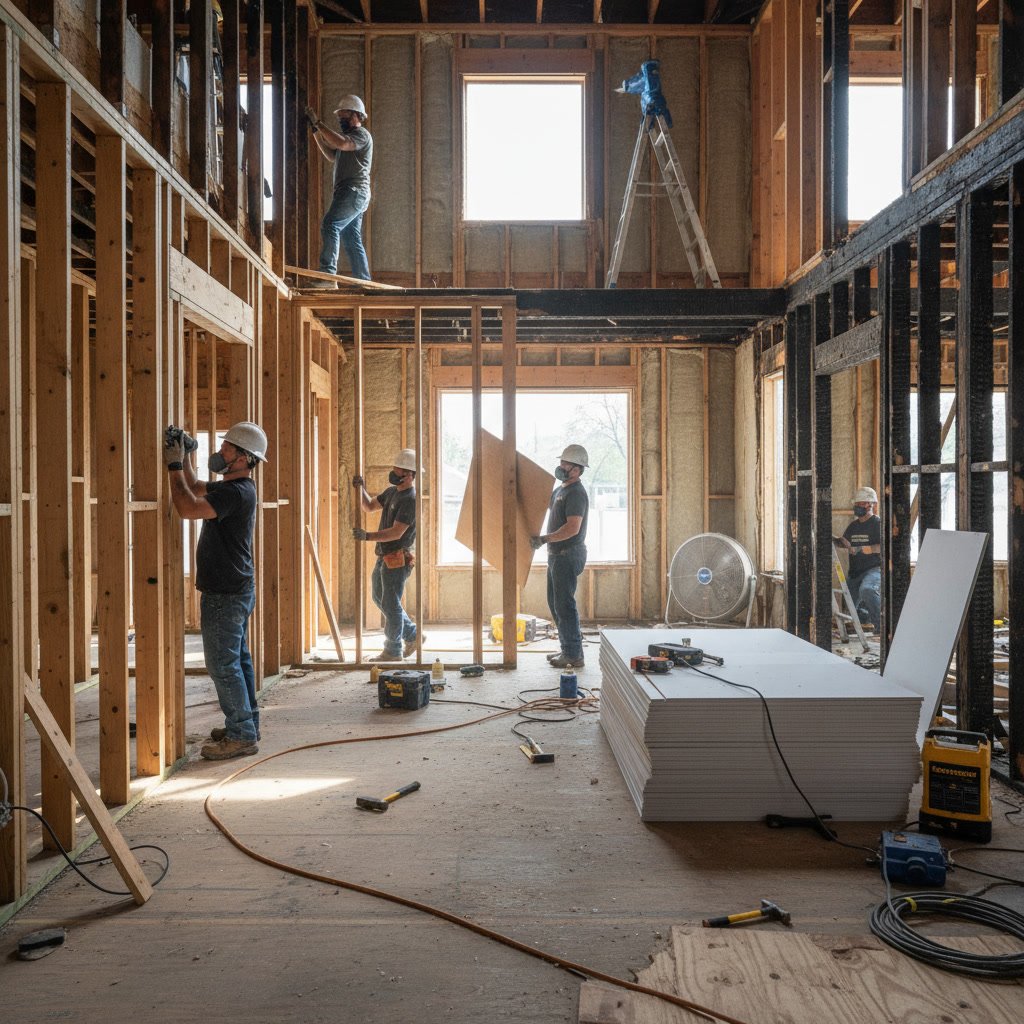
Reconstruction begins after all cleaning, drying, and odor remediation is verified complete. New framing replaces fire-damaged members. Electrical, plumbing, and HVAC systems are installed to current code standards. This phase follows the same sequence as new construction: framing, rough utilities, insulation, drywall, and finish work.
Desert climate considerations affect material selection during reconstruction. Moisture-resistant drywall may be specified in areas that experienced water damage. Improved ventilation systems help prevent future moisture problems. These upgrades often improve the property beyond its pre-fire condition.
Major reconstruction may include updated kitchen remodels and bathroom remodels that incorporate modern materials and layouts. Flooring replacement offers an opportunity to upgrade to more durable or aesthetically pleasing materials.
Coordination with Insurance and Documentation Requirements
Insurance coordination runs parallel to physical restoration. Adjusters require detailed documentation at each phase: initial damage assessment, scope of work, progress photos, and final completion. Contractors provide itemized estimates separating emergency stabilization, cleaning, repairs, and reconstruction.
Disputes sometimes arise over scope of necessary work. Insurance companies may initially authorize only visible damage repairs, requiring additional documentation to approve hidden damage remediation. Experienced restoration contractors photograph and document all findings to support claim amendments.
Keep detailed records of all temporary living expenses, as most policies cover additional living costs during restoration. Save receipts for hotels, meals, and clothing purchases. This documentation supports reimbursement claims separate from property damage coverage.
Final Inspection and Occupancy Clearance
Final inspection involves multiple parties: the general contractor, local building inspectors, and often the insurance company. Building departments verify that all work meets code requirements. Air quality testing may be required to confirm smoke particulate levels are below health thresholds before occupancy is approved.
A final walkthrough with the property owner identifies any punch-list items requiring correction. All work should be guaranteed with written warranties covering both materials and labor. Documentation of all replaced systems, materials, and finishes should be provided for future reference and resale disclosure.
Properties that experienced significant fire damage often see improved insurance ratings after professional restoration, as new electrical systems, updated fire-blocking, and code-compliant construction reduce future risk factors.
Restoring Your Property to Better Than Before
Professional fire restoration transforms disaster into opportunity for improvement. Modern materials installed during reconstruction often outperform original construction in durability, energy efficiency, and safety. Updated electrical panels provide capacity for modern appliances. New insulation reduces energy costs in the desert climate.
The process demands patience, as rushing any phase compromises long-term results. Properties restored according to proper protocols regain full market value and often appraise higher than pre-fire condition due to system upgrades and modernization. Choosing experienced professionals ensures the work is done right the first time, protecting your investment and your family’s safety.
Kellner construction LLC has guided countless property owners through fire damage recovery with the expertise that comes from over 40 years in the construction industry. Similar attention to detail applies whether addressing emergency restoration or planned improvements like water and mold emergency restoration. If your property has suffered fire damage, immediate professional assessment protects against escalating secondary damage and starts your path toward complete recovery. Contact +17607745333 to speak with licensed restoration specialists who understand both the technical requirements and the emotional challenges of rebuilding after fire loss.